
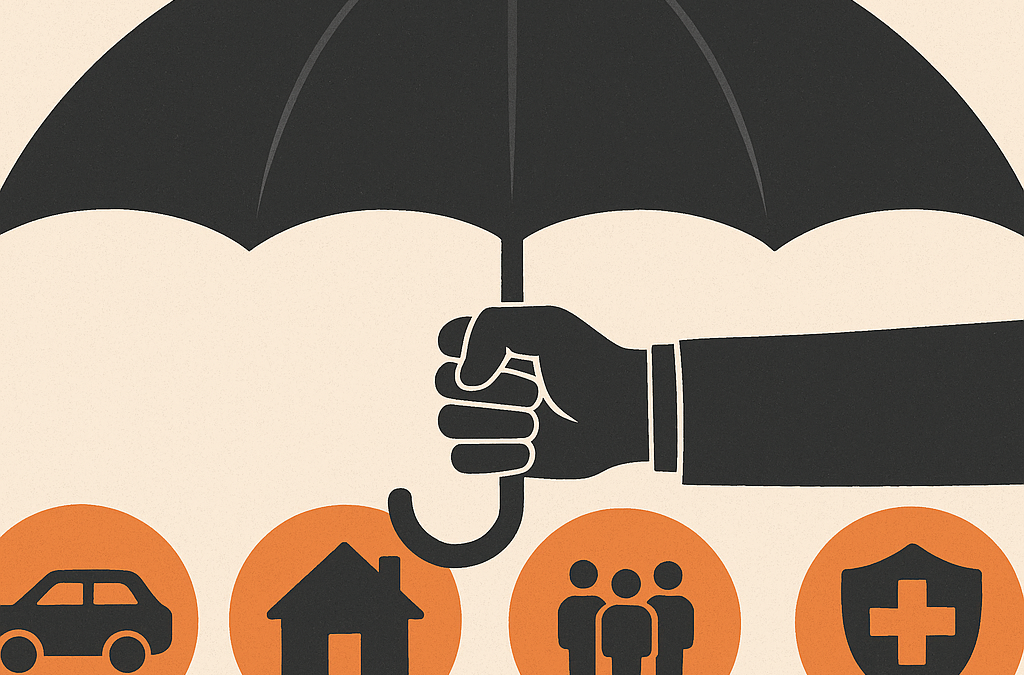
Types of Insurance Everyone Should Have
Life has a funny way of throwing curveballs when you least expect them. One moment everything is running smoothly, and the next you’re facing a medical emergency, a totaled car, or a flooded living room. The right types of insurance act as a financial safety net — catching you before a bad situation turns into a devastating one. Yet millions of people either go without coverage or carry the wrong policies for their needs, leaving themselves dangerously exposed.
Insurance isn’t the most exciting topic at the dinner table, but it is one of the most important financial decisions you’ll ever make. Think of premiums not as money lost, but as money invested in your own peace of mind. Whether you’re just starting out on your own or reassessing your coverage as your life evolves, understanding the core types of insurance can save you thousands of dollars — and sometimes far more than that.
Here is a breakdown of the essential types of insurance that virtually every adult should seriously consider carrying.
1. Health Insurance
Without question, health insurance tops the list of types of insurance everyone needs. Medical costs in the United States — and many other countries — are staggeringly high. A single emergency room visit can run into thousands of dollars. A surgery, extended hospital stay, or chronic illness treatment can push costs into the hundreds of thousands. Health insurance protects you from bearing those costs alone.
What It Covers
- Doctor visits and specialist appointments
- Emergency room and hospital stays
- Prescription medications
- Preventive care such as screenings and vaccinations
- Mental health and substance abuse treatment
Many employers offer group health plans, which are often the most affordable option. If you’re self-employed or between jobs, explore marketplace plans, Medicaid, or Medicare depending on your income and age. Even a basic, high-deductible plan paired with a Health Savings Account (HSA) can provide meaningful protection at a manageable monthly cost.
2. Auto Insurance
If you own or drive a vehicle, auto insurance is not optional — it’s the law in most states and countries. But beyond legal compliance, it protects you from financial liability in the event of an accident, theft, or weather-related damage to your vehicle.
Key Coverage Types Within Auto Insurance
- Liability coverage: Pays for damage or injuries you cause to others
- Collision coverage: Covers damage to your own vehicle after a crash
- Comprehensive coverage: Handles non-collision events like theft, hail, or fire
- Uninsured/underinsured motorist: Protects you if the at-fault driver lacks coverage
- Personal injury protection (PIP): Covers medical expenses regardless of fault
Carrying only the minimum required liability coverage might seem like a money-saver, but it can leave you seriously exposed. Consider your vehicle’s value and your overall financial situation when choosing your coverage limits.
3. Homeowners or Renters Insurance
Your home is likely your single largest asset. Homeowners insurance protects that asset against fire, theft, storms, and liability claims. If someone slips and falls on your property, for example, homeowners insurance can cover the resulting legal and medical costs.
But what if you rent? Many renters assume their landlord’s policy has them covered — it doesn’t. The landlord’s insurance protects the building structure, not your personal belongings inside it. Renters insurance fills that gap at a surprisingly low cost, often less than $20 per month.
What Homeowners Insurance Typically Covers
- Structural damage to your home
- Personal property inside the home
- Additional living expenses if you’re displaced
- Personal liability protection
- Medical payments to others injured on your property
Note that standard policies usually don’t cover floods or earthquakes. If you live in a high-risk area, look into separate flood insurance through the National Flood Insurance Program (NFIP) or a private insurer.
4. Life Insurance
Life insurance is one of those types of insurance people tend to put off — often because it forces us to confront our own mortality. But if anyone depends on your income, life insurance is absolutely essential. It provides a tax-free lump sum, known as a death benefit, to your beneficiaries when you pass away.
Term vs. Whole Life Insurance
- Term life insurance: Covers you for a specific period (10, 20, or 30 years) and is generally the most affordable option. Ideal for covering income replacement during your working years.
- Whole life insurance: Permanent coverage that builds cash value over time, but comes with significantly higher premiums.
A general guideline is to carry coverage equal to 10–12 times your annual income. Life insurance is most affordable when you’re young and healthy, so don’t wait until it becomes urgent to lock in a policy.
5. Disability Insurance
Here’s a sobering statistic: more than one in four 20-year-olds will experience a disability before they reach retirement age. Yet disability insurance remains one of the most overlooked types of insurance on the market. It replaces a portion of your income — typically 60–70% — if you become unable to work due to illness or injury.
Short-Term vs. Long-Term Disability
- Short-term disability: Kicks in quickly (often within two weeks) and covers you for a few months, typically used for recovery from surgery or childbirth.
- Long-term disability: Provides coverage for years or even until retirement age for more serious conditions.
Some employers offer disability coverage as part of a benefits package. If yours doesn’t — or if the coverage provided is insufficient — consider purchasing a private policy. Your ability to earn an income is arguably your most valuable financial asset, and it deserves protection.
6. Long-Term Care Insurance
As life expectancy continues to rise, the likelihood of needing extended care in a nursing home, assisted living facility, or through in-home services increases significantly. Long-term care insurance helps cover those costs, which are not typically included in standard health insurance or Medicare.
The average annual cost of a private room in a nursing home can exceed $100,000. Without insurance, those expenses can rapidly deplete a lifetime of savings. Ideally, long-term care insurance should be purchased in your 50s or early 60s, before premiums become prohibitively expensive or you develop a health condition that makes you ineligible.
7. Umbrella Insurance
Think of umbrella insurance as the policy that covers everything else. It provides additional liability coverage above and beyond the limits of your homeowners, auto, or other personal insurance policies. If you’re sued for damages exceeding your existing coverage, umbrella insurance steps in to protect your assets and future earnings.
For a relatively modest annual premium — often $150 to $300 per year — you can obtain $1 million or more in additional liability coverage. It’s particularly valuable for homeowners, people with significant assets, or anyone who regularly hosts guests on their property.
Practical Takeaway: Build Your Coverage Layer by Layer
You don’t need to purchase all of these types of insurance at once, especially if budget is a concern. Start with the essentials: health, auto (if applicable), and renters or homeowners insurance. These three alone will protect you from the most common and financially devastating risks.
From there, add life insurance if you have dependents, and disability insurance to safeguard your income. As your wealth grows and your life circumstances change, revisit your coverage regularly — at minimum, once a year or after any major life event like marriage, a new baby, a home purchase, or a job change.
Shopping around and comparing quotes from multiple insurers is always a smart move. Prices for the same coverage can vary dramatically between providers. Consider working with an independent insurance broker who can compare options across multiple companies on your behalf.
The goal isn’t to be over-insured — it’s to be correctly insured. Knowing that your bases are covered allows you to focus on living your life, building your future, and handling whatever curveballs come your way with confidence.
FAQ
What are the most important types of insurance for a young adult?
For most young adults, health insurance is the top priority, followed by renters insurance and auto insurance if you own a vehicle. If you have dependents or debt, adding a term life insurance policy is also a wise move. These four policies provide strong foundational coverage at a relatively affordable cost.
How much should I budget for insurance premiums each month?
A commonly cited guideline is to spend no more than 20–25% of your take-home income on all insurance combined. However, the right amount depends on your unique circumstances, risk tolerance, and the assets you need to protect. Prioritize essential coverage first, then add policies as your budget allows.
Is it possible to have too much insurance?
Yes. Over-insuring — such as purchasing overlapping policies or coverage you clearly don’t need — means paying unnecessary premiums. Regularly reviewing your policies ensures you’re not paying for redundant coverage. For instance, if you drive an old car with minimal value, dropping collision coverage might make more financial sense than keeping it.
When should I review or update my insurance coverage?
You should review your insurance at least once per year and after any significant life event. Marriage, divorce, the birth of a child, buying a home, starting a business, or a major change in income are all triggers that should prompt a coverage review. Life changes, and your insurance should change with it.

Leave a Reply